Garden maintenance costs in Haringey what to know
Posted on 19/10/2026
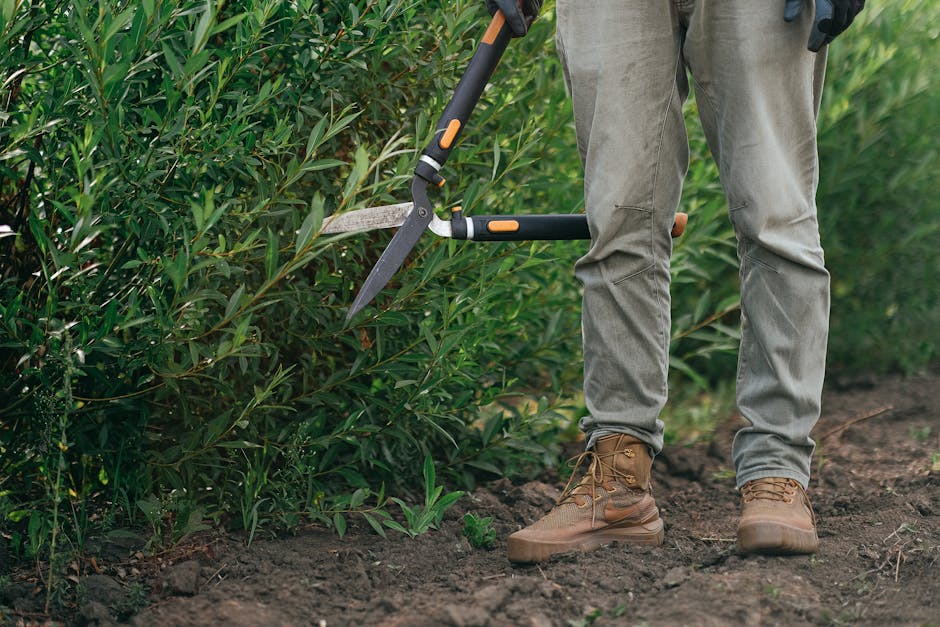
If you have ever looked at an untidy lawn, a hedge that has suddenly got ambitious, or a patio that seems to collect moss faster than rainwater, you already know why this topic matters. Garden maintenance costs in Haringey what to know is not just about picking a price and moving on. It is about understanding what you are actually paying for, how often work needs doing, and how to avoid those awkward moments where a cheap quote turns into an expensive tidy-up later. Truth be told, local gardens in Haringey can vary a lot, from compact front plots to long back gardens, shaded spaces, windy corners, balconies, and awkwardly sloped areas. That changes the work, and the cost.
This guide breaks everything down in plain English. You will see what influences pricing, which jobs usually sit inside a maintenance visit, how to compare options fairly, and where you can save money without making your garden harder to manage. If you are planning a bigger refresh, a smaller monthly visit, or just trying to make sense of a quote, this is the practical version people usually wish they had first.
- Why the cost matters
- How garden maintenance pricing usually works
- Key benefits and practical advantages
- Who this is for
- Step-by-step guidance
- Expert tips for better results
- Common mistakes to avoid
- Tools, resources and recommendations
- Law, compliance, standards, or best practice
- Options, methods, or comparison table
- Case study or real-world example
- Practical checklist
- Conclusion
- Frequently asked questions
Why Garden maintenance costs in Haringey what to know Matters
Garden maintenance is one of those services that looks straightforward from a distance, then becomes surprisingly detailed when you start pricing it properly. In Haringey, the cost question matters because many gardens are small but intensive. A modest space can still need repeated attention if it has hedges, borders, uneven access, patios, weeds, or seasonal planting. A tiny garden can be just as fiddly as a larger one. Sometimes more so.
What you pay affects more than the invoice. It affects how often a garden gets done, whether the work is kept on top of, and whether your outdoor space feels usable through the year. If maintenance is underpriced, the standard may dip or the gardener may have to rush. If it is overpriced, you may end up paying for tasks that were never really needed. That balance is the real issue.
There is also a local reality to factor in. London gardens often face faster weed growth, more pollution on hard surfaces, shade from neighbouring properties, and weather that can switch from dry to drenched with very little warning. If your garden gets battered by wind, for example, you may find that a few structural choices make a big difference. Articles like key steps to reduce wind impact on your garden and ideas to defend your garden from weather extremes are useful because they show how prevention can reduce future maintenance spend. That is not just nice theory. It is where sensible savings begin.
Another reason this topic matters is budgeting. Many people treat garden care as an occasional spend, then get caught out when spring growth arrives or winter damage needs clearing. A realistic maintenance plan helps you avoid that stop-start pattern. And honestly, gardens respond better to steady care than dramatic rescue missions.
Expert summary: In Haringey, the best value is usually not the cheapest visit. It is the most appropriate level of care for your garden's size, growth rate, access, and seasonal workload.
How Garden maintenance costs in Haringey what to know Works
Most garden maintenance pricing is built around a mix of time, task type, access, and how messy the starting point is. A light tidy of a small urban garden takes a different amount of effort from a full clearance of an overgrown plot. That sounds obvious, but people often assume the same labour rate should cover every job. It rarely does.
Here is the simple version of how quotes are usually shaped:
- Garden size: Bigger spaces usually take longer, especially if there are borders, lawn areas, and multiple sections.
- Condition: An already-tidy garden is easier to maintain than one needing first-stage recovery work.
- Job mix: Lawn mowing, hedge trimming, weeding, pruning, patio cleaning, and leaf clearance all have different effort levels.
- Access: Narrow side passages, awkward steps, or no easy waste access can add time.
- Frequency: Regular maintenance often costs less per visit than one-off rescue work because the garden stays under control.
- Waste removal: Green waste disposal may be included, charged separately, or quoted as an extra.
It helps to think of maintenance in layers. A routine visit may include mowing, edging, light weeding, deadheading, and a quick tidy. A more substantial visit could involve hedge trimming, pruning, border reshaping, clearing weeds from paving, and bagging up waste. If the garden has become seriously overgrown, the first visit may be more like a reset than a standard maintenance appointment. In that situation, an article such as initial touches to renew your overgrown garden is a good reminder that restoration and maintenance are not the same thing.
There is also a difference between keeping something neat and actually improving it. A gardener might spend the same hour either simply holding the line or gradually transforming the space. If you want long-term value, ask what outcome the work is aimed at. No shame in that at all. In fact, it is the right question.
Some providers price by the hour, some by the task, and some by a recurring plan. Each has pros and cons. Hourly pricing can be fair for varied jobs, but it can feel uncertain if the scope is not clear. Fixed task pricing is easier to understand, yet only works well when the work is defined tightly. Recurring maintenance is usually best for people who want predictability and less hassle.
Key Benefits and Practical Advantages
When garden maintenance is planned properly, the benefits go well beyond "the garden looks nicer." That is part of it, yes, but the real value is the way regular care reduces bigger problems later. It is a bit like keeping on top of household cleaning rather than waiting for a weekend emergency. Less drama. Less cost shock.
- Better appearance all year: Regular mowing, trimming, and weeding keeps the garden presentable in every season.
- Lower long-term repair costs: A maintained garden is less likely to need drastic clearance or replacement planting.
- Healthier plants: Proper pruning, feeding, and seasonal care help plants recover and grow more reliably.
- Safer outdoor spaces: Keeping paths clear and surfaces tidy reduces slip and trip risks.
- More usable space: A neat garden is easier to enjoy, whether that means seating, children's play, or simple evening relaxation.
- Less weekend burden: If gardening is not your hobby, outsourcing the heavy lifting can be a relief.
There is a practical quality-of-life point that people often underestimate. When a garden is managed well, you use it more. A tidy seating area becomes somewhere you actually sit. A clear border becomes somewhere you notice new growth. It feels like part of the home again. For those thinking about layout as well as upkeep, pieces such as ideal seating areas outdoors and turn your backyard into a peaceful zen retreat offer good perspective on how maintenance and design support one another.
Maintenance can also protect materials. Hard surfaces, timber edging, decking, and fences all last better when vegetation is kept under control and moisture is not allowed to build up. A simple monthly clean-up can save you from grime, staining, and the slow creep of damage. Not glamorous, but very real.
Who This Is For and When It Makes Sense
Garden maintenance services make sense for a wider range of people than you might think. It is not just for homeowners with huge lawns or people who have no interest in gardening at all. In Haringey, regular maintenance can be helpful if your schedule is tight, your garden is awkward, or you simply want consistent standards without thinking about it every Saturday morning.
You may benefit from maintenance if:
- you have a small garden that still grows fast and needs frequent cutting back
- you rent out a property and want the outdoor area to stay presentable
- your hedge, lawn, or borders have become difficult to keep under control
- you have children or pets and need a safer, tidier layout
- you live in a shaded or windy spot where growth patterns are a bit unpredictable
- you want seasonal visits rather than a full redesign
For balcony owners and people with compact outdoor spaces, maintenance can look slightly different. Containers, planters, and vertical planting need lighter but more frequent attention. If that sounds like your setup, how to create a balcony garden and harnessing the power of container gardening are both relevant because smaller spaces often need a more considered approach than a one-size-fits-all tidy-up.
It also makes sense if you have a garden that has been left a bit too long. And we have all done that, to be fair. One busy month turns into two, then suddenly the lawn has turned shaggy and the ivy has decided it owns the fence. In those cases, a first visit may be about regaining control before the space can go onto a regular plan.
If you enjoy gardening but not the repetitive or heavy jobs, a maintenance schedule can split the difference nicely. You stay involved in the parts you like. The rest gets handled properly. That is often the sweet spot.
Step-by-Step Guidance
If you want to understand what you are paying for, start with a clear process. It makes comparing quotes much easier and helps you avoid vague promises.
- Assess the garden honestly. Look at lawn size, hedge height, weed levels, access points, and hard surfaces. Be blunt with yourself. A "small bit of weeding" can turn into a full morning very quickly.
- Decide what really needs doing. Separate routine care from one-off jobs. Mowing is not the same as hedge reduction. Patio cleaning is not the same as border restoration.
- Choose a visit pattern. Weekly, fortnightly, monthly, or seasonal? The right frequency depends on growth rate and how tidy you want the space to stay.
- Ask what is included. Does the quote cover green waste removal, edging, pruning, and clean-up? Ask before the work starts, not after.
- Request a written quote. Even a simple written breakdown helps you compare like with like.
- Check whether the first visit is a reset. If the garden is overgrown, the initial work may cost more than ongoing visits. That is normal.
- Review after the first service. Did the pace feel right? Was the finish neat? Was the scope what you expected?
That process sounds basic, but it saves a surprising amount of money. The worst quotes are often not the highest ones. They are the unclear ones. Ambiguity is where budgets get nibbled away.
A useful side note: if your garden needs more than maintenance, think about whether it has structure problems too. For example, if a hedge is becoming a boundary issue, or trees are dominating light and space, it may be worth looking at more specialised help such as hedge trimming in Haringey, tree surgery in Haringey, or landscaping in Haringey. Maintenance can only do so much if the garden itself needs reshaping.
Expert Tips for Better Results
There are a few simple habits that can make garden maintenance cheaper and more effective over time. None of them are dramatic, but they add up.
- Keep on top of weeds early. Small weeds are quicker, and therefore cheaper, to remove than mature ones with deep roots. If this is an ongoing issue, these weed-free strategies are worth a look.
- Use mulch in borders. It reduces weed growth and helps retain moisture, which means less frequent intervention.
- Choose plants that suit the space. In difficult spots, especially shade or exposure, the right planting can cut maintenance needs significantly. For a sensible starting point, evergreens for shaded garden areas and ground cover options for year-round appeal can be surprisingly helpful.
- Group jobs together. If you already need hedge trimming, lawn cutting, and patio clearing, doing them in one visit is often better value than splitting them up.
- Reduce clutter. Pots, toys, loose furniture, and garden waste all slow down work. Every extra minute adds up.
- Think seasonally. Autumn leaf fall and spring growth flushes often need extra attention. Budget for those peaks rather than pretending they will not happen.
One practical improvement many gardens benefit from is composting or better waste handling. If you can keep your soil healthy and your waste under control, maintenance becomes less reactive. Articles like the alchemy of compost: waste to soil marvel and gardening's role in climate health are useful reads if you want to understand the bigger picture behind good garden care.
And one more thing. If you have a dog, children, or both, remember that the most beautiful garden is not always the most practical one. A garden that works for everyday life is usually the one that stays tidy for longer. A bit less perfection, a bit more usability. That's the honest version.

Common Mistakes to Avoid
Garden maintenance can go wrong in small ways that become expensive later. The common mistakes are usually not technical. They are planning mistakes.
- Choosing only on headline price: A very cheap quote can exclude waste removal, edging, or important tidy-up work.
- Not checking scope: "General maintenance" means very different things to different people.
- Ignoring the first-visit reset: Overgrown gardens often need a separate clearance phase before routine care begins.
- Leaving seasonal jobs too late: Hedge reductions, leaf clearance, and winter protection are easier when done in time.
- Trying to maintain problem areas with no plan: Windy corners, shady borders, and wet patches often need tailored solutions.
- Over-pruning or cutting at the wrong time: Some plants recover well, others do not. Timing matters.
Another common mistake is assuming a tidy-looking garden is always a low-maintenance one. Not always. Some gardens are beautiful but demanding, especially if they contain a lot of clipped growth, topiary, specimen plants, or frequent deadheading. If you are drawn to those styles, budget accordingly. Beauty has a calendar, as they say, and sometimes a pair of shears.
If your garden has become tangled with ivy, brambles, or repeated weed outbreaks, do not just keep paying for shallow tidy-ups. That can feel cheaper in the moment, but the problem often returns. A more decisive reset, followed by regular maintenance, is usually better value.
Tools, Resources and Recommendations
You do not need a shed full of equipment to manage a garden well, but having the right basics makes any maintenance plan more efficient. For homeowners who like to do some of the lighter jobs themselves, a few sensible tools can make a real difference.
- sharp secateurs for small pruning and deadheading
- a reliable lawn mower suited to the size of the grass area
- hand weeder or hoe for regular weed control
- hedge trimmer for light shaping, where appropriate
- gloves, rake, broom, and waste bags for clean-up
- spare secateurs or hand tools that are genuinely comfortable to hold
For people who want to understand the process better, these articles are especially relevant: must-have gardening tools, gardening strategies for beginners, and budget solutions for a carefree garden. They are useful if you are trying to decide what to do yourself and what to outsource.
There are also service pages that may help you compare specialist needs. For example, if your priority is general upkeep, garden maintenance in Haringey is the natural place to start. If your lawn is the main issue, lawn mowing in Haringey and lawn care in Haringey are more specific. If surfaces are letting the garden down, patio cleaning in Haringey can lift the whole space faster than people expect.
For service planning and trust signals, it also helps to read about the company background and policies. Pages such as about us, insurance and safety, health and safety policy, and pricing and quotes can help you understand how a provider works before you commit. That matters. A lot.
Law, Compliance, Standards, or Best Practice
For garden maintenance, the main thing to understand is that safe, responsible working practices matter as much as neat results. This is especially true where tools, ladders, waste handling, or potentially hazardous overgrowth are involved. If work includes pruning at height, moving heavy waste, or using powered equipment, you want the job done carefully and by people who follow sensible procedures.
In the UK, there are broad expectations around health and safety, waste handling, and professional conduct. You do not need to become an expert in the rules, but you should expect clear communication, sensible access planning, and appropriate care around property, pets, neighbours, and fragile surfaces. If waste is being removed, ask how that is handled. If a job seems risky, ask how it will be carried out. Good providers will not mind. In fact, they should welcome the conversation.
Best practice also means being clear about boundaries. For example, routine maintenance is not the same as specialist tree work. Heavy branch removal, dangerous leaning trees, or major reductions are usually a different type of job altogether. Likewise, hedge cutting near boundaries can sometimes require a bit more care and coordination than standard trimming. If you need something specific, use a specific service rather than hoping a general tidy will cover everything.
A final practical point: access, permissions, and neighbour awareness can matter in shared or tightly packed spaces. Haringey gardens often sit close together, so a little planning goes a long way. It avoids noise friction, accidental damage, and rushed work. Which, let's face it, nobody wants.
Options, Methods, or Comparison Table
Different maintenance approaches suit different budgets and gardens. The table below is a simple way to compare them before you request a quote.
| Option | Best for | What it usually includes | Cost feel | Watch out for |
|---|---|---|---|---|
| One-off tidy-up | Neglected or seasonal reset jobs | Clearance, mowing, basic weeding, pruning, waste gathering | Higher upfront | Can be more expensive if the garden keeps slipping back |
| Weekly or fortnightly maintenance | Fast-growing or high-use gardens | Regular mowing, edging, light weed control, trimming, clean-up | More predictable | Needs clear scope so work does not drift |
| Monthly maintenance | Moderate-growth gardens and busy homeowners | General tidy, pruning, selective weeding, seasonal tasks | Balanced | May need occasional extra visits in peak season |
| Seasonal visits | Low-maintenance or smaller gardens | Spring tidy, summer shaping, autumn leaf clearance, winter prep | Lower routine spend | Jobs can build up between visits |
If your garden also has design problems, not just upkeep issues, you may need a blended approach. For example, a space with poor structure, bad drainage, or no clear seating area may be cheaper to maintain after it has been improved once. In that case, decking services in Haringey, fencing in Haringey, or broader gardening services in Haringey may make more sense than repeated short-term fixes.
Case Study or Real-World Example
Here is a realistic example from the sort of situation many Haringey households recognise. A terraced house has a modest back garden with a small lawn, a few borders, a hedge at the rear, and a paved path that goes slippery after wet weather. The owner is fairly busy, so the garden gets neglected for a few weeks at a time. Nothing dramatic, just the usual life stuff.
At first, they ask for a simple tidy-up. But once the gardener sees the space, it becomes clear that the lawn needs edging, the hedge needs careful shaping, the borders need weeding, and the patio needs a proper clean because moss has started to spread where the shade lingers. That first visit ends up being more substantial than expected. Not outrageous, just more involved than a "quick visit."
After that, the plan changes. Instead of letting the garden recover and slide back again, the owner moves to fortnightly maintenance in the growing season and monthly visits through the colder months. The result is a much lower level of stress, a tidier garden, and fewer surprise jobs. A small tweak, really, but it makes a big difference.
That is the lesson here. Costs make far more sense when you view them as part of a pattern. One-off work gets you back in control. Regular maintenance keeps you there.
Practical Checklist
Before you agree to any garden maintenance work in Haringey, run through this checklist. It will save you time and, probably, a bit of money too.
- Have I listed the exact tasks I want done?
- Do I know whether this is a one-off or regular maintenance visit?
- Is the garden tidy enough for a fair estimate, or does it need a reset first?
- Have I checked whether waste removal is included?
- Do I understand how often the garden will need attention?
- Have I asked about access, parking, and any awkward areas?
- Do I need specialist help for hedges, trees, patios, decking, or fencing?
- Have I compared more than one quote where possible?
- Do I know what good finish quality looks like for this kind of job?
- Have I thought about how to reduce future maintenance through better planting or layout?
One small but useful extra: take a few photos before the first visit. They help you compare what changed after the work and give you a simple record of the garden's condition. Old-school, maybe, but effective.
If you are still deciding how much help you need, reading about hedge trimming techniques, weed control, or winter plant care strategies can help you see which jobs are genuinely seasonal and which ones need ongoing support.
Conclusion
Garden maintenance costs in Haringey are easier to understand once you stop treating them as a single number and start looking at the shape of the work. Size, access, condition, frequency, and task type all matter. So does the garden's personality, if that makes sense. Some spaces are simple. Some are forever a little bit needy. The trick is not to fight that reality, but to budget for it intelligently.
If you focus on scope, regularity, and the real condition of the garden, you will make better decisions and usually get better value. More importantly, you will end up with an outdoor space that feels cared for rather than constantly catching up. That is the outcome people really want, even if they do not say it out loud.
Get a free quote today and see how much you can save.
And if you do nothing else this week, at least walk outside and look at the garden with fresh eyes. You might be surprised what is fixable with a little plan and the right help.

Marshall's expertise as a professional gardener is complemented by his knack for organization and attention to detail. Through his writing, he has helped many people enjoy the beauty of their gardens to the fullest.